Before I ever finished a novel, I shelved them. Four teenage summers in the town library taught me more about story than anything since — not from any single book, but from watching which spines came back cracked and which came back pristine.
The cracked spines were never the cleverest books. They were the ones with people in them: a mother counting coins at a kitchen table, a boy apologising to a dog, a grandmother dancing at a wedding she was not invited to. Readers forgive almost anything — thin plots, slow middles, improbable coincidences — except characters they cannot feel.
Attention is a muscle
Libraries also taught me how attention works. The borrowers who loved a book could always describe a small moment, never the plot: the soup scene, the letter scene, the scene with the broken gate. So I write scenes now, not chapters — each one earning a single image the reader can carry out of the room.
Write the scene a borrower will describe to a friend, not the chapter a critic will admire.
That is why my notebooks are full of overheard fragments rather than outlines. A woman at the next table saying “tell him the dog is fine.” A conductor announcing a station that no longer exists. Small true things, collected the way the library collected everything — patiently, and without knowing yet what they were for.
Steal politely, credit generously
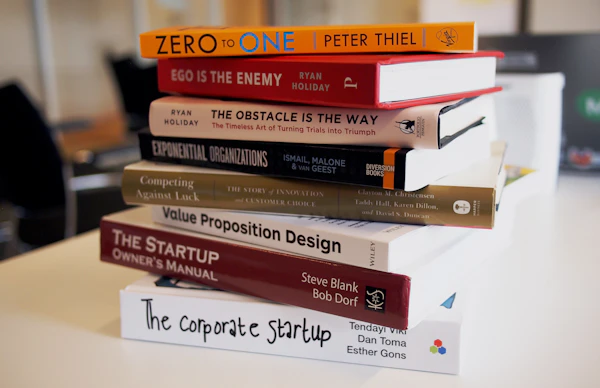
Every novelist borrows; the honest ones admit it. I keep a shelf of beloved books beside the desk and consult them the way a carpenter consults a square — for dialogue that never wastes a line, for endings that land softly instead of loudly. Borrow the joint, never the chair.
So walk your own library aisles slowly this month. Pull down something outside your habits, read the first twenty pages standing up, and notice which sentence makes you reach for a pencil. That tug is the whole craft, telling you where to look next.